Understanding the Challenges of Wearing Hijabs in Windy Conditions

If you’ve ever had your hijab caught in a gust of wind, you know how frustrating it can be. Windy days present real challenges for hijab wearers—the fabric can slip, blow across your face, and leave you feeling self-conscious about your appearance. You’re definitely not alone in dealing with these issues, and the good news is that with the right approach, you can keep your hijab looking polished and feeling secure no matter how blustery it gets outside.
The solution starts with understanding what makes a hijab wind-resistant. A well-chosen hijab designed for windy conditions makes all the difference—it stays put, keeps you comfortable, and lets you focus on your day instead of constantly adjusting. Things like fabric type, hijab style, and how you tie it all play a role in how well it holds up to wind. Once you know what to look for, you’ll find yourself feeling more confident and at ease, whatever the weather brings.
Choosing the Right Materials for Wind-Proof Hijabs
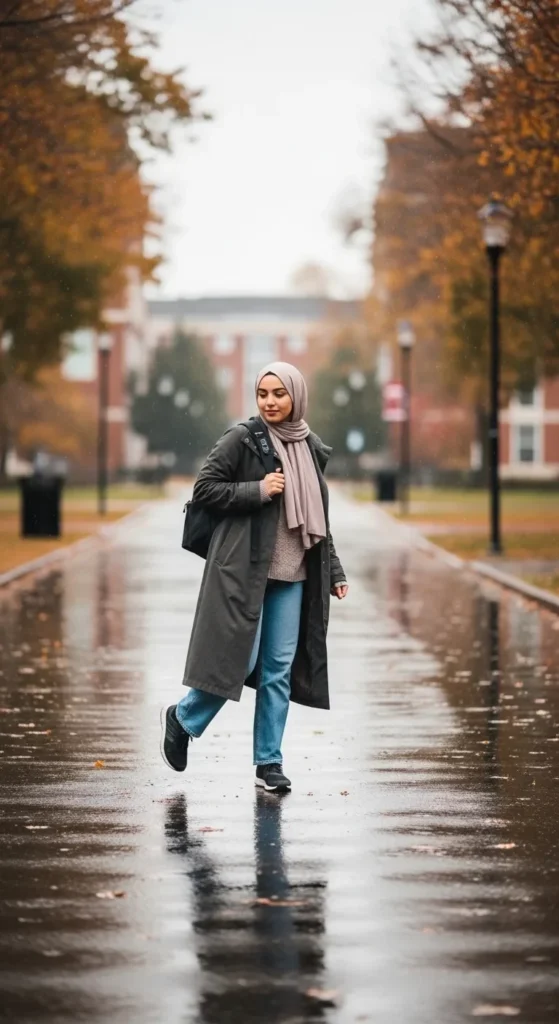
When it comes to choosing the right materials for wind-proof hijabs, there are several factors to consider. The best fabrics for wind resistance are typically those that are lightweight, breathable, and have a smooth texture. Cotton, chiffon, and jersey are popular choices for wind-proof hijabs because they provide a snug fit without being too heavy. Lightweight materials are ideal for windy conditions because they are less likely to blow away from the face, while breathable fabrics help to keep the wearer cool and comfortable.
The texture of the fabric can also affect its wind resistance. Smooth textures tend to work better in windy conditions because they create less drag, allowing the hijab to stay in place more securely. On the other hand, fabrics with a rough or loose texture can catch the wind, causing the hijab to blow away. By choosing a fabric with a smooth texture, hijab wearers can reduce the risk of their hijab becoming disheveled in windy weather.
Essential Hijab Styling Techniques for Windy Weather
There are several essential hijab styling techniques that can help to secure the hijab in windy weather. Tying techniques that create a snug fit around the head and neck are particularly effective, as they help to prevent the hijab from blowing away. Layering methods can also add stability to the hijab, providing extra protection against the wind. Using pins and clips effectively is another key technique, as they can help to secure the hijab in place and prevent it from coming undone.
Creating a snug fit without discomfort is also important. Hijab wearers should aim to tie their hijab in a way that is comfortable and secure, without being too tight or constricting. This can be achieved by using a combination of tying techniques and layering methods, and by choosing a fabric that is breathable and lightweight. By mastering these essential hijab styling techniques, hijab wearers can enjoy greater confidence and comfort in windy weather.
Fashionable Wind-Proof Hijab Styles
Just because a hijab is wind-proof doesn’t mean it can’t be fashionable. There are many trendy styles that work well in windy conditions, from the turban wrap to layered styles and those that incorporate headbands. Accessorizing with pins, clips, and brooches can also add a touch of elegance to the hijab, while choosing colors and patterns that complement the outfit can help to create a polished look.
Incorporating headbands and caps into the hijab style can also be a great way to add extra security and stability. These accessories can help to keep the hijab in place, while also adding a fashionable touch to the overall look. By experimenting with different styles and accessories, hijab wearers can find a wind-proof hijab that is both comfortable and fashionable.
Practical Tips for Maintaining Your Hijab in Windy Conditions
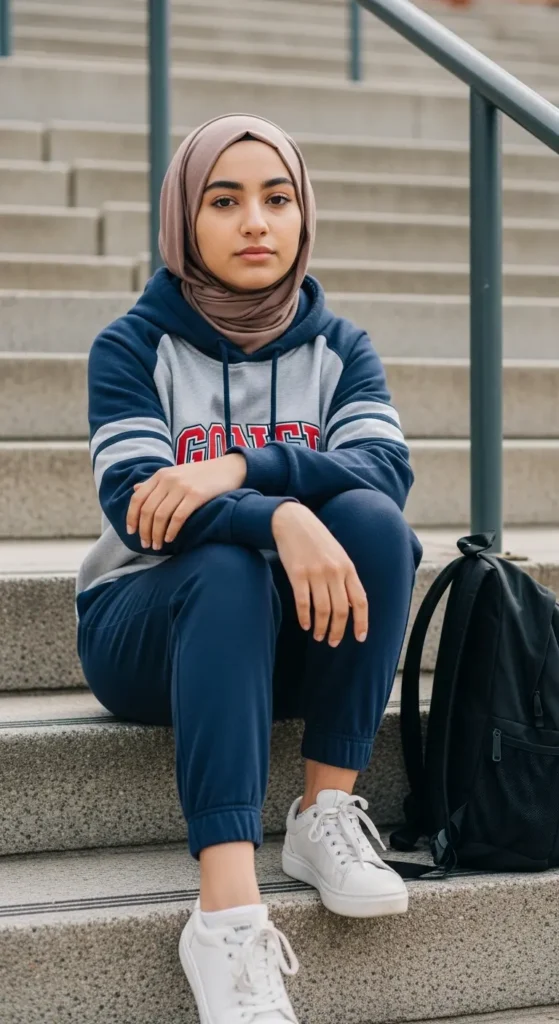
After wearing a hijab in windy conditions, it’s essential to take care of it properly to maintain its quality and extend its lifespan. Washing the hijab according to fabric care instructions is crucial, as it helps to remove dirt and debris that can accumulate during wear. Storing the hijab properly is also important, as it can help to prevent creasing and damage.
Traveling with hijabs in windy areas requires extra care and attention. Hijab wearers should pack their hijabs in a way that protects them from wind and dust, and consider using a hijab bag or case to keep them clean and secure. By following these practical tips, hijab wearers can keep their hijabs looking their best, even in windy conditions.
Real-Life Experiences: Stories from Hijab Wearers
Hijab wearers from around the world have shared their experiences of wearing hijabs in windy conditions, offering valuable insights and tips for overcoming the challenges. Interviews with hijab wearers have revealed that the key to successful wind-proof hijab styling is a combination of choosing the right materials, using effective tying techniques, and accessorizing with care.
Success stories of effective styling have shown that with practice and patience, hijab wearers can master the art of wind-proof hijab styling and enjoy greater confidence and comfort in their daily lives. Community tips and tricks shared by hijab wearers have also highlighted the importance of experimenting with different styles and techniques to find what works best for each individual.
Conclusion: Embracing Style and Functionality
So here’s the beautiful thing about wind-proof hijab styling—it doesn’t have to be complicated, and it absolutely doesn’t mean sacrificing your personal style. By picking fabrics that work with the wind rather than against it, learning a few key tying techniques, and adding thoughtful accessories, you can create a look that feels just as good as it looks. Whether you love a bold turban wrap or prefer something simple and layered, there’s a wind-proof style out there that’s perfect for you.
The real secret? Give yourself permission to experiment and have fun with it. Try new styles, don’t worry if it takes a few tries to find your rhythm, and remember that practice makes perfect. Before you know it, windy days won’t phase you at all—you’ll step outside feeling confident, comfortable, and completely put-together. You’ve got this, and we’re here to cheer you on as you find the wind-proof hijab style that makes you feel like your best self.

Frequently Asked Questions
Q: What are the best materials for wind-proof hijabs?
A: The best materials for wind-proof hijabs are lightweight, breathable fabrics like cotton, chiffon, and jersey that provide a snug fit without being too heavy.
Q: How can I secure my hijab in windy weather?
A: You can secure your hijab by using pins, clips, and choosing tying techniques that create a snug fit around your head and neck.
Q: Are there specific hijab styles that work better in the wind?
A: Yes, styles such as the turban wrap, layered styles, and those that incorporate headbands tend to work better in windy conditions.
Q: What accessories can help keep my hijab in place?
A: Accessories like headbands, caps, and hair clips can help secure your hijab and prevent it from blowing away in the wind.
Q: How do I maintain my hijab after wearing it in windy conditions?
A: To maintain your hijab, wash it according to fabric care instructions, store it properly to avoid creasing, and check for any damage after windy wear.