How to Match Your Hijab with Any Outfit (Easy Guide)
- Match Your Hijab with Any Outfit
- Understanding Hijab Styles
- Color Theory for Hijab Matching
- Patterns and Textures: Mixing and Matching
- Seasonal Hijab Matching Tips
- Occasion-Based Hijab Styling
- Accessorizing Your Hijab
- Layering Techniques for Hijabs
- Finding Inspiration: Fashion Icons and Trends
- DIY Hijab Styles and Customization
- Maintaining Your Hijab Collection
Match Your Hijab with Any Outfit
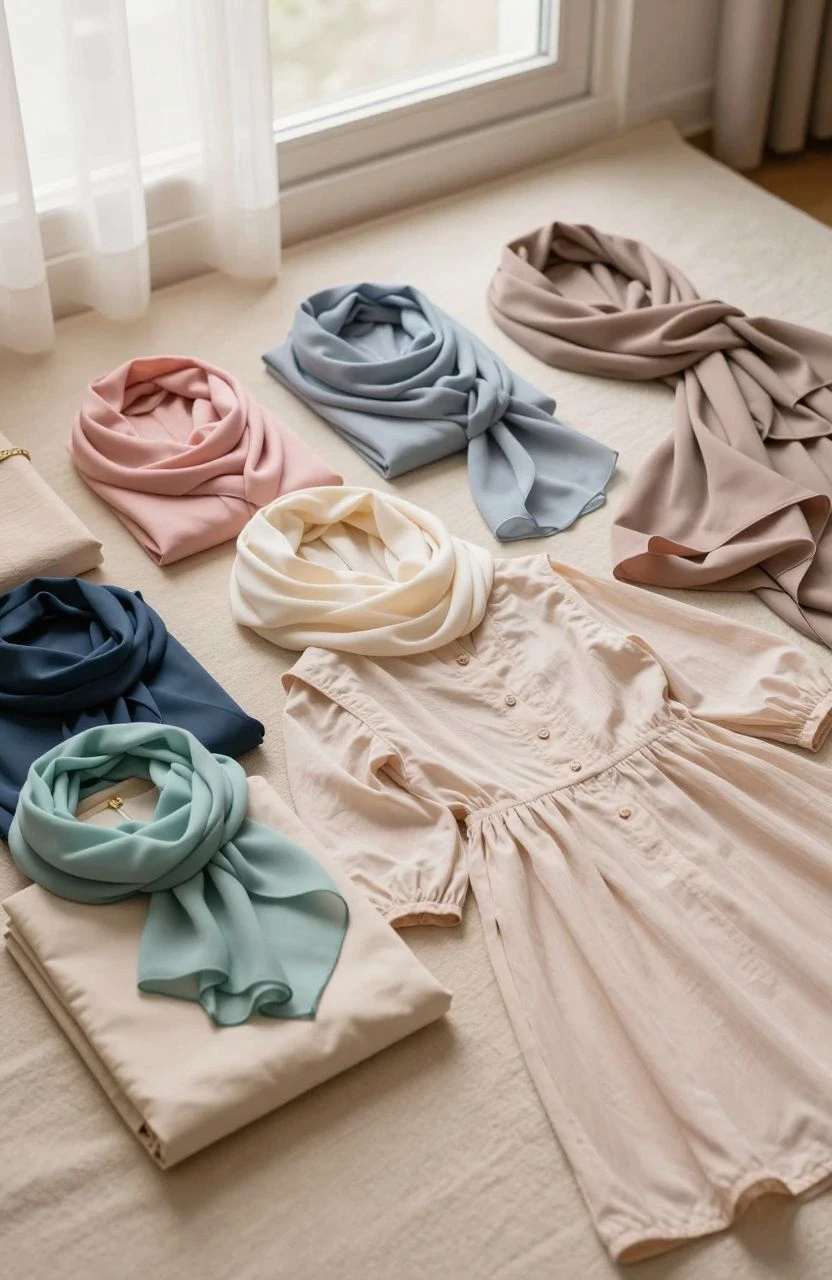
Finding the perfect hijab to go with your outfit can feel like a puzzle at first, but we’re here to tell you—it’s easier than you think! Whether you’ve been wearing hijabs for years or you’re just beginning to explore this beautiful form of expression, this guide is packed with practical tips to help you build confidence in your styling choices. Let’s dive into the art of hijab matching together and discover how to create looks that feel authentically you, whether you’re heading to work, a special event, or just out for the day.
Think of this guide as your friendly companion in the world of hijab fashion. We’ll walk you through everything from understanding different styles to mastering color combinations, so you can get dressed each morning feeling excited and put-together. The best part? Once you learn these fundamentals, you’ll be mixing and matching with ease, and maybe even developing your own signature style along the way.
Understanding Hijab Styles
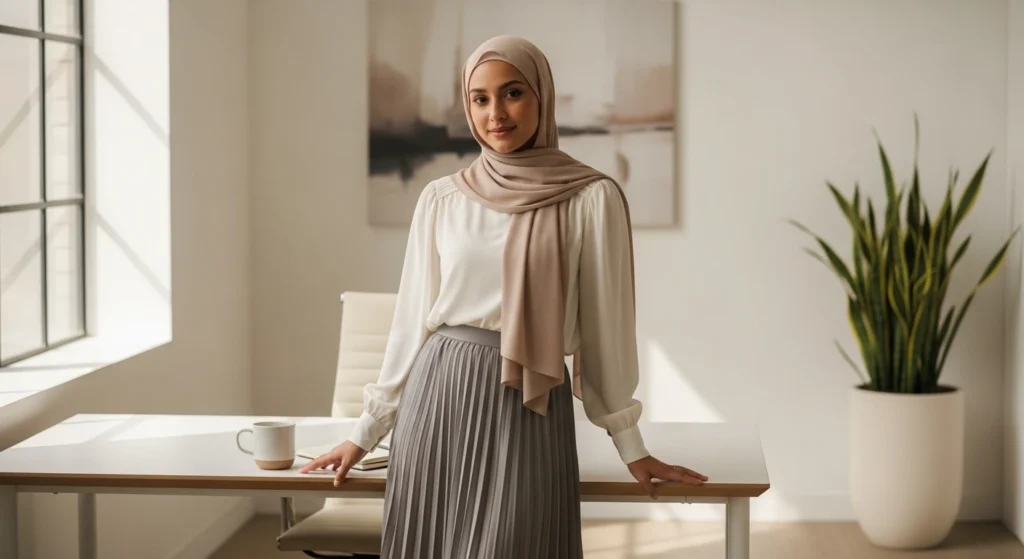
To start, it’s essential to understand the different hijab styles available, including shawl, turban, and square hijabs. Each style offers a unique way to wear your hijab, and some may suit your face shape or personal style better than others. For example, shawl hijabs are great for creating a relaxed, effortless look, while turban hijabs can add a touch of elegance to any outfit. Square hijabs, on the other hand, offer a versatile and easy-to-style option that can be worn in a variety of ways.
In addition to hijab styles, it’s also important to consider the fabric type. Chiffon, cotton, silk, and jersey are popular fabric options, each with its own unique texture and drape. Chiffon hijabs, for instance, are lightweight and flowy, making them perfect for spring and summer outfits. Cotton hijabs, on the other hand, are breathable and comfortable, making them a great choice for everyday wear. Silk hijabs offer a luxurious and sophisticated look, while jersey hijabs provide a soft and stretchy option.
Understanding how different hijab styles can complement various face shapes is also crucial. For example, longer hijabs can elongate round faces, while shorter styles can soften angular features. Oval faces can pull off most hijab styles, but it’s essential to balance the look with the right accessories and outfit. By considering your face shape and personal style, you can choose hijab styles that flatter and enhance your features.
Color Theory for Hijab Matching
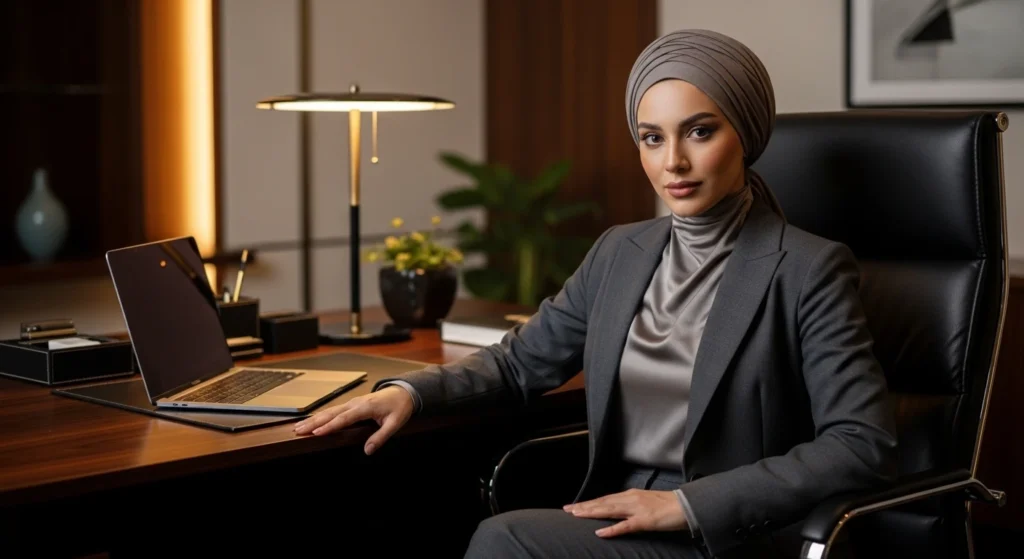
Color theory plays a significant role in hijab matching, and understanding the basics can help you create stunning outfits. Complementary colors, analogous colors, and monochromatic colors are essential concepts to grasp. Complementary colors, such as blue and orange, create a striking contrast and can add visual interest to your outfit. Analogous colors, like blue, green, and yellow, are adjacent to each other on the color wheel and can create a harmonious and cohesive look. Monochromatic colors, on the other hand, involve different shades of the same color and can add depth and dimension to your outfit.
When choosing hijab colors, consider the colors in your outfit and how they can be enhanced or complemented. Neutral colors like black, white, and beige are versatile and can be paired with almost any outfit. Bold colors, on the other hand, can add a pop of color and create a statement look. Consider using complementary colors to create a striking contrast or analogous colors to add a touch of harmony to your outfit.
Using neutral colors as a base can also make it easier to mix and match outfits. A neutral-colored hijab can be paired with a variety of outfits, from casual to formal, and can be easily accessorized with jewelry, scarves, or belts. By understanding color theory and choosing hijab colors that enhance your outfit, you can create a cohesive and stylish look that’s perfect for any occasion.
Patterns and Textures: Mixing and Matching
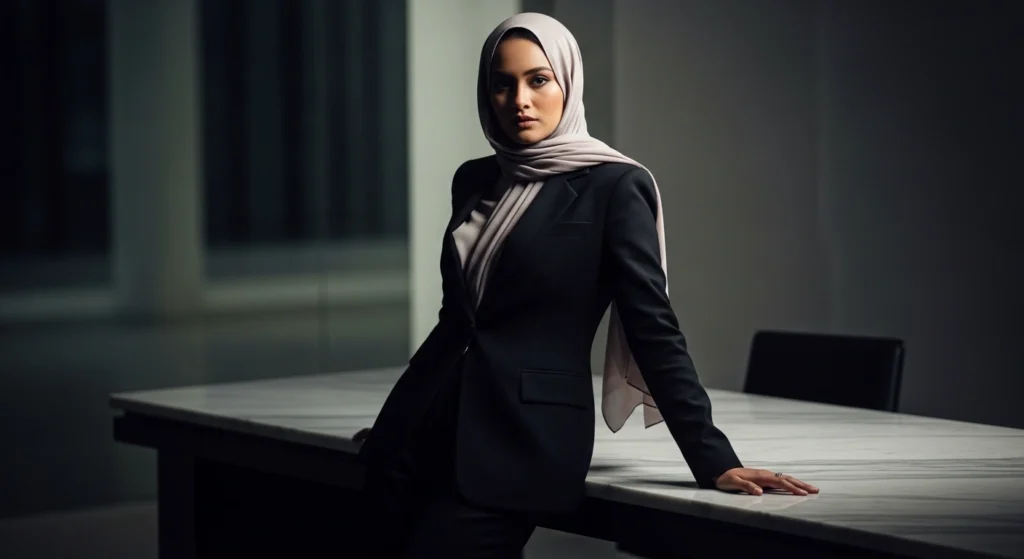
Mixing patterns and textures can add depth and visual interest to your outfit, but it can also be overwhelming if not done correctly. When it comes to hijabs, it’s essential to balance patterns and textures to create a harmonious look. Stripes, florals, and polka dots are popular patterns that can be paired with hijabs, but it’s crucial to consider the scale and intensity of the pattern.
For example, a bold striped hijab can be paired with a solid-colored outfit, while a subtle floral hijab can be paired with a patterned outfit. Texture also plays a significant role in hijab matching, and pairing smooth hijabs with textured outfits can create a interesting contrast. On the other hand, pairing textured hijabs with smooth outfits can add depth and dimension to your look.
Balancing busy patterns with solid colors is also essential to avoid overwhelming your look. A busy patterned hijab can be paired with a solid-colored outfit, while a solid-colored hijab can be paired with a busy patterned outfit. By considering the scale, intensity, and texture of the pattern, you can create a balanced and stylish look that’s perfect for any occasion.
Seasonal Hijab Matching Tips
Choosing the right hijab colors and fabrics for different seasons can make a significant difference in your overall look. For spring, pastel colors and lightweight fabrics like chiffon or cotton are perfect for creating a fresh and airy look. Summer hijabs can feature bright colors and breathable fabrics like cotton or linen, while autumn hijabs can showcase warm colors and cozy fabrics like wool or fleece.
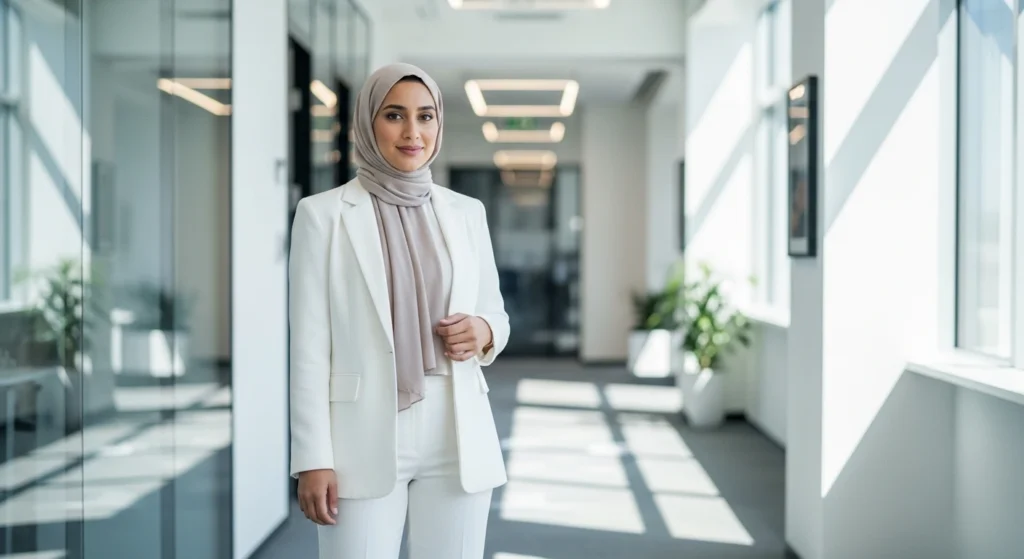
Winter hijabs, on the other hand, can feature rich colors and thick fabrics like wool or velvet. Layering techniques are also essential for colder months, and using scarves and wraps can add warmth and style to your outfit. Seasonal accessories like hats, gloves, and boots can also enhance your hijab and outfit, adding a touch of personality and flair to your look.
Occasion-Based Hijab Styling
Styling your hijab for different occasions can be challenging, but with the right tips and tricks, you can create stunning looks for every event. For casual outings, a relaxed and effortless hijab style is perfect, while formal events require a more elegant and sophisticated look. Work attire can be paired with a professional yet stylish hijab, and festive occasions can feature bold colors and embellishments.
When styling your hijab for formal events, consider using elegant fabrics like silk or chiffon, and add embellishments or a structured style to elevate your look. For work attire, opt for a professional and modest hijab style that complements your outfit and adds a touch of personality to your look. Festive occasions, on the other hand, can feature bold colors and embellishments, like sequins or glitter, to create a stunning and eye-catching look.
Accessorizing Your Hijab
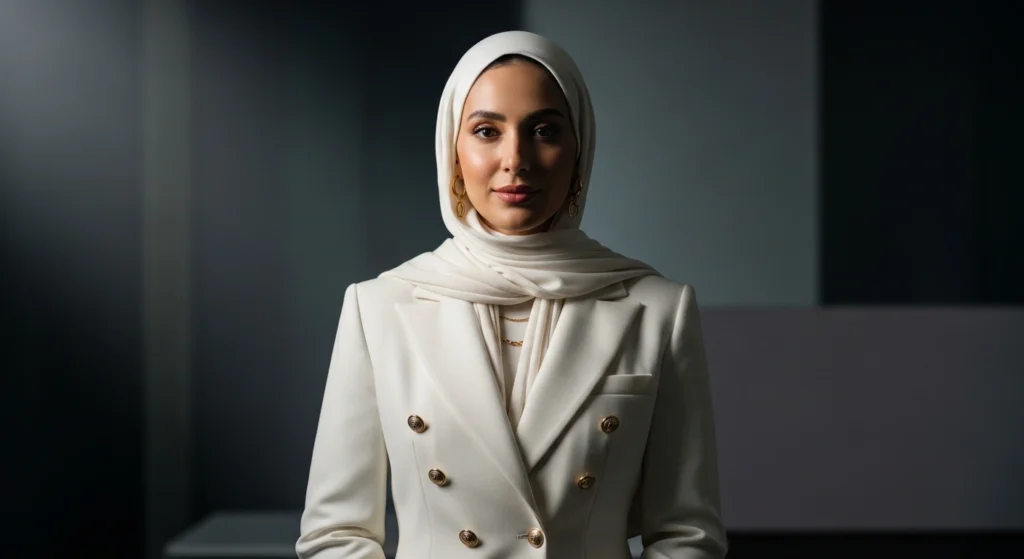
Accessories can make or break your hijab style, and choosing the right ones can elevate your look and add a touch of personality. Brooches, pins, and headbands are popular accessories that can enhance your hijab style, and jewelry can also be used to complement your hijab and outfit. When accessorizing your hijab, consider the style and theme of your outfit, and choose accessories that complement your look without overpowering it.
For example, a bold brooch can add a touch of elegance to a formal outfit, while a delicate pin can add a touch of whimsy to a casual look. Headbands can also be used to add a pop of color or texture to your outfit, and can be paired with a variety of hijab styles. By choosing the right accessories and balancing them with your hijab and outfit, you can create a stunning and stylish look that’s perfect for any occasion.
Layering Techniques for Hijabs
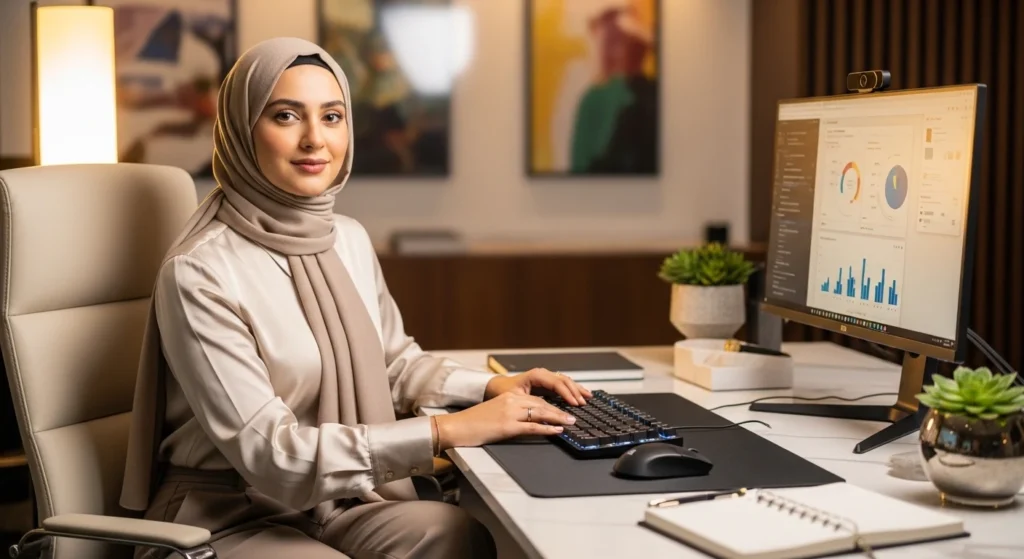
Layering hijabs can add depth and dimension to your look, but it can also be overwhelming if not done correctly. To layer hijabs like a pro, start with a simple undercap or inner hijab, and add a outer hijab that complements your outfit. Using different lengths and styles can also create a interesting contrast, and adding a scarf or wrap can add warmth and style to your outfit.
When layering hijabs, consider the fabric and texture of each layer, and balance them to create a harmonious look. For example, a smooth undercap can be paired with a textured outer hijab, while a lightweight inner hijab can be paired with a heavier outer hijab. By experimenting with different layering techniques and styles, you can create a unique and stylish look that’s perfect for any occasion.
Finding Inspiration: Fashion Icons and Trends
Finding inspiration for your hijab style can be challenging, but with the right resources, you can stay on top of the latest trends and styles. Hijab fashion influencers and bloggers are great resources for inspiration, and can provide valuable tips and tricks for styling your hijab. Runway trends can also be adapted to everyday outfits, and social media platforms like Instagram and Pinterest can provide a wealth of inspiration and ideas.
When adapting runway trends to everyday outfits, consider the key elements of the trend, such as color, fabric, or style, and incorporate them into your look. For example, a bold color trend can be incorporated into your outfit with a statement hijab or accessory, while a fabric trend can be incorporated with a textured or patterned hijab. By staying on top of the latest trends and styles, you can create a stylish and modern look that’s perfect for any occasion.
DIY Hijab Styles and Customization
Creating your own hijab styles and customizing your hijabs can be a fun and creative way to express your personal style. With simple sewing techniques, you can create unique and stylish hijabs that reflect your personality and flair. Customizing hijabs with fabric paint or embellishments can also add a touch of personality to your look, and upcycling old hijabs can create a sustainable and eco-friendly fashion statement.
When creating your own hijab styles, consider the fabric and texture of the hijab, and choose a style that complements your outfit and personal style. For example, a flowy chiffon hijab can be paired with a bohemian outfit, while a structured cotton hijab can be paired with a more formal outfit. By experimenting with different DIY techniques and customization methods, you can create a unique and stylish hijab style that’s perfect for any occasion.
Maintaining Your Hijab Collection
Maintaining your hijab collection is essential to keep your hijabs looking their best and extending their lifespan. Washing and caring for different hijab fabrics can be challenging, but with the right techniques, you can keep your hijabs clean and fresh. Storing hijabs in a cool, dry place can prevent wrinkles and damage, and organizing your hijab collection can make it easier to find the perfect hijab for any occasion.
When washing your hijabs, consider the fabric type and follow the care instructions carefully. Delicate fabrics like chiffon or silk may require hand washing or dry cleaning, while more durable fabrics like cotton or jersey can be machine washed. By following the right washing and care techniques, you can keep your hijabs looking their best and extend their lifespan.
And there you have it—your complete guide to mastering the art of hijab matching! With these tools and tips in your styling arsenal, you now have the knowledge to create beautiful, cohesive looks for every moment of your life. Remember, hijab styling is a personal journey, and the most important thing is that you feel confident and comfortable in what you’re wearing. So go ahead, experiment with colors, patterns, and styles, and most importantly, have fun expressing yourself through fashion. Your unique style is waiting to shine!
What are the best colors to match with a hijab?
Neutral colors like black, white, and beige are versatile, while bold colors can add a pop to your outfit. Consider using complementary colors based on your outfit to create a striking contrast.
How can I style my hijab for a formal event?
Opt for elegant fabrics like silk or chiffon, and consider adding embellishments or a structured style to elevate your look. A formal hijab style can add a touch of sophistication and elegance to your outfit.
Can I wear patterned hijabs with patterned outfits?
Yes, but balance is key. Pair a bold patterned hijab with a more subtle outfit or vice versa to avoid clashing. Consider the scale and intensity of the pattern, and balance them to create a harmonious look.
What accessories work well with hijabs?
Brooches, pins, and headbands can enhance your hijab style. Choose accessories that complement your outfit without overpowering it, and consider the style and theme of your outfit when selecting accessories.
How do I choose the right hijab for my face shape?
Consider styles that frame your face well. For example, longer hijabs can elongate round faces, while shorter styles can soften angular features. Oval faces can pull off most hijab styles, but it’s essential to balance the look with the right accessories and outfit.
What are some tips for layering hijabs in winter?
Use thicker fabrics for warmth, and consider layering with a stylish coat or jacket. Scarves can also be added for extra warmth and style, and can be paired with a variety of hijab styles. By layering your hijabs correctly, you can stay warm and stylish during the colder months.