Nutritional Profile of Coconut Sugar
Coconut sugar has gained popularity in recent years as a natural alternative to refined sugars. But if you’re following a Nutritional Profile of Coconut Sugar diet, you might wonder if coconut sugar fits into your low-carb lifestyle. In this article, we’ll explore the ins and outs of coconut sugar and its place in a keto diet.
What Is Coconut Sugar?
Coconut sugar, also known as coconut palm sugar, is derived from the sap of coconut trees. It’s often touted as a healthier alternative to traditional table sugar because it contains minerals like iron, zinc, and potassium. The sap is boiled down to produce a crystalline sugar that can be used as a 1:1 substitute for regular sugar in baking and cooking.
Nutritional Profile of Coconut Sugar
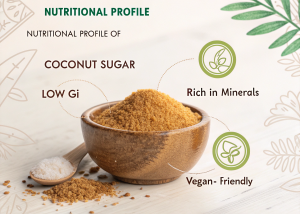 A one-teaspoon serving of coconut sugar contains approximately:
- 45 calories
- 11 grams of carbohydrates
- 11 grams of sugar
- 0 grams of fat
- 0 grams of protein
- Small amounts of minerals like iron, zinc, and potassium
Compared to regular sugar, coconut sugar has a slightly lower glycemic index, meaning it may cause a slower and more gradual increase in blood sugar levels.
Is Coconut Sugar Keto-Friendly?
The ketogenic diet is centered around drastically reducing carbohydrate intake to induce a metabolic state called ketosis. To maintain ketosis, most people aim to consume fewer than 20-25 grams of net carbs per day.
Coconut sugar contains 11 grams of carbohydrates per teaspoon, which can quickly add up. Even though it has a slightly lower glycemic index than regular sugar, it still contains a significant amount of sugar that can kick you out of ketosis if consumed in large quantities.
Why Coconut Sugar Might Not Be Suitable for Keto
While coconut sugar is often marketed as a healthier alternative to regular sugar, it’s still a source of carbohydrates and sugar. For someone following a strict keto diet, even small amounts of coconut sugar could be problematic.
Additionally, coconut sugar is high on the glycemic index, which means it can cause a rapid spike in blood sugar levels. This is counterproductive for those trying to maintain a state of ketosis, where the body burns fat for fuel instead of carbohydrates.
Coconut Sugar vs. Other Keto-Friendly Sweeteners
If you’re looking for a sweetener to use on the keto diet, there are several options that are lower in carbohydrates and sugar than coconut sugar. Some popular choices include:
1. Stevia
Stevia is a natural sweetener derived from the leaves of the Stevia rebaudiana plant. It’s 200-300 times sweeter than sugar, so only a small amount is needed. Stevia contains zero calories and zero carbohydrates, making it an excellent choice for the keto diet.
2. Erythritol
Erythritol is a sugar alcohol that contains almost no calories and doesn’t raise blood sugar levels. It’s commonly used in sugar-free products and is a popular choice among keto dieters. Erythritol contains only 5 grams of carbohydrates per tablespoon, but most of it is not digested by the body, so the net carb count is much lower.
3. Monk Fruit Sweetener
Monk fruit sweetener is made from a type of melon and is 150-200 times sweeter than sugar. Like stevia, it contains zero calories and zero carbohydrates, making it a great option for the keto diet.
Health Benefits of Coconut Sugar
While coconut sugar may not be the best choice for the keto diet, it does have some health benefits that are worth noting.
1. Lower Glycemic Index
Coconut sugar has a lower glycemic index than regular sugar, which means it may cause a slower and more gradual increase in blood sugar levels. This can be beneficial for people who are trying to manage their blood sugar levels but are not necessarily following a keto diet.
2. Contains Minerals
Coconut sugar contains small amounts of minerals like iron, zinc, and potassium, which are not found in regular sugar. While the amounts are not significant enough to make a major impact on your overall nutrition, they do give coconut sugar a slight edge over refined sugars.
3. More Natural Option
Coconut sugar is less processed than regular sugar, and many brands offer organic and unrefined options. This makes it a more natural choice for those who are trying to avoid highly processed foods.
The Downsides of Coconut Sugar
While coconut sugar has some benefits, there are also some downsides to consider.
1. High in Carbohydrates
Coconut sugar is still a source of carbohydrates and sugar, which can be problematic for anyone trying to follow a low-carb or keto diet. Even in small amounts, it can add up quickly and potentially kick you out of ketosis.
2. Can Affect Blood Sugar Levels
Although coconut sugar has a lower glycemic index than regular sugar, it can still cause a spike in blood sugar levels. This is particularly concerning for people with diabetes or those who are trying to manage their blood sugar levels.
3. Not Suitable for Everyone
Coconut sugar is not suitable for everyone, especially those who are sensitive to FODMAPs or have digestive issues. Some people may experience bloating, gas, or other digestive discomfort after consuming coconut sugar.
Can You Use Coconut Sugar on a Keto Diet?
While coconut sugar is not the best choice for the keto diet, it’s not entirely off-limits either. If you’re someone who enjoys baking or cooking and wants to incorporate coconut sugar into your keto recipes, there are a few things you can do to make it work.
1. Use It in Moderation
Coconut sugar can be used in small amounts on the keto diet, but it’s important to keep track of your carbohydrate intake. Even a small amount of coconut sugar can add up quickly, so be sure to account for it in your daily macros.
2. Pair It with Other Ingredients
Coconut sugar can be paired with other low-carb ingredients to balance out the carbohydrate content. For example, you can use a small amount of coconut sugar in a recipe that also includes almond flour, coconut flour, or other low-carb ingredients to keep the overall carb count low.
3. Consider the Glycemic Impact
Even though coconut sugar has a lower glycemic index than regular sugar, it can still cause a spike in blood sugar levels. If you’re trying to maintain a state of ketosis, it’s important to consider the glycemic impact of the foods you’re eating and adjust your diet accordingly.
Conclusion
Coconut sugar is a popular natural sweetener that offers some benefits over regular sugar, such as a lower glycemic index and the presence of minerals. However, it’s still a source of carbohydrates and sugar, which can be problematic for those following a keto diet.
If you’re determined to use coconut sugar on a keto diet, it’s important to use it in moderation and keep track of your carbohydrate intake. However, there are other low-carb sweeteners available that are more suitable for the keto diet, such as stevia, erythritol, and monk fruit sweetener.
Ultimately, the decision to use coconut sugar on a keto diet depends on your personal goals and preferences. If you’re looking for a more natural alternative to regular sugar and are willing to account for the carbohydrates, coconut sugar can be a viable option. But for most people following a strict keto diet, it’s best to stick with low-carb sweeteners that won’t kick you out of ketosis.